A male patient presented with a three-month history of continuous right-sided headache affecting the eye, ear and jaw. Once or twice each week, the headache intensified and was accompanied by flashes of light in both eyes lasting approximately 30–40 minutes.
The symptoms began after a year of intensive home renovation work. He had no previous history of headaches and could not identify any clear aggravating or relieving factors.
Before seeking conservative care, he underwent neurological and ophthalmological assessment. Brain MRI with contrast, eye examinations and blood tests were reportedly normal. Migraine medication had been proposed, but the patient chose to defer it while trialling conservative treatment.
We agreed on a maximum initial trial of three sessions. If there was no meaningful improvement, pharmacological management and further medical review would be reconsidered.
Session 1
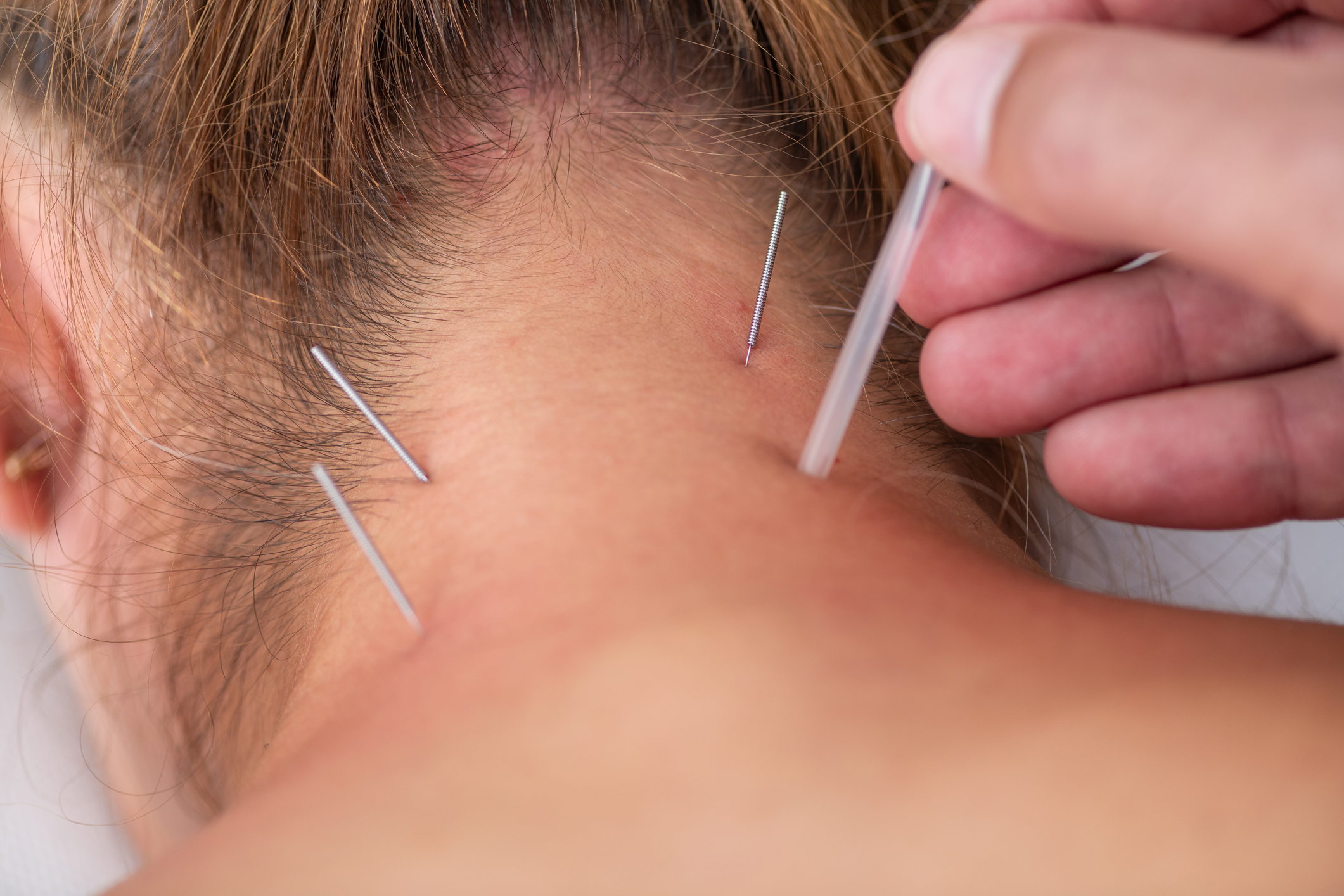
Treatment included dry needling of the sternocleidomastoid, splenius cervicis, C3 multifidi and right temporalis. Manual and fascial techniques were applied to the upper cervical region and cervical fascia.
The following day, the patient experienced a marked exacerbation. This was followed by a symptom-free period, although symptoms returned shortly before the second appointment. As the response was mixed, progress was monitored carefully, and treatment continued.
Session 2
Dry needling included the temporalis, masseter, lateral pterygoid, right C3 multifidi and both sternocleidomastoid muscles. The manual and fascial techniques were repeated.
Following the second session, the patient reported no further exacerbations.
This case suggests that musculoskeletal factors may have contributed to an atypical headache presentation after serious neurological and ophthalmological causes had been investigated. However, improvement following treatment does not establish causation, and similar presentations will not necessarily respond in the same way.
Visual disturbances accompanying a headache require appropriate medical and ophthalmological assessment. Conservative treatment should not delay investigation of potential neurological or retinal pathology.
When a conservative trial is appropriate, clinicians should establish clear review points and remain transparent about uncertainty. If meaningful improvement is not achieved within a limited number of sessions, further medical evaluation or alternative management should be pursued.
Clinical takeaway: Myofascial dysfunction may contribute to some atypical headache presentations, but patient safety, careful monitoring and timely referral must remain the priorities.
hashtag#Headache hashtag#Photopsia hashtag#DryNeedling hashtag#ManualTherapy hashtag#ClinicalReasoningActivate to view larger image,