
A brilliant example of how physiotherapy can debate itself without diminishing itself.
This Spanish physiotherapy event used the format of a boxing match between two well-known and highly experienced PTs, Enriq Servent & Orlando Mayoral, to explore a big professional question:
Manual therapy versus invasive physiotherapy / dry needling.
But the real message was not that one side “won.”
The real message was that physiotherapy wins when we can discuss our own assumptions honestly.
Several themes stood out:
Dry needling is not just a passing fad. It has a long history, a growing evidence base, and a legitimate place within modern physiotherapy.
Manual therapy remains central to the identity, history, and therapeutic relationship of physiotherapy.
Therapeutic exercise remains the strongest long-term intervention, and passive therapies should typically create a window for active rehabilitation rather than replace it.
Anatomical knowledge is not optional, especially when using needles. Knowing where to needle matters, but knowing where not to needle matters even more.
Pain should never be treated as a badge of honour. Treatment must be adapted to the patient’s tolerance, consent, and clinical presentation.
Training matters. A needle in the hands of someone without clinical reasoning, anatomical knowledge, and safety awareness is not a technique — it is a risk.
The final point was probably the most important:
Without clinical reasoning, any technique can become dangerous.
Whether we use hands, needles, exercise, education, ultrasound guidance, or neuromodulation, the tool is never the profession.
The reasoning is the profession.
And perhaps that is the best takeaway:
Manual therapy and dry needling should not be treated as opposing tribes.
They are tools.
The clinician’s responsibility is to know when to use them, when to modify them, when to avoid them, and how to integrate them into a patient-centred plan.
That is where physiotherapy wins.

IDNETAG Reaches Consensus on a Definition of Dry Needling
We have reached an important milestone in our work to bring greater clarity and consistency to the field of dry needling. Following three rounds of

Are we missing the point with myofascial trigger points and dry needling?
Are we missing the point with myofascial trigger points and dry needling? Jace Brown and I just published a clinical commentary in the Journal of
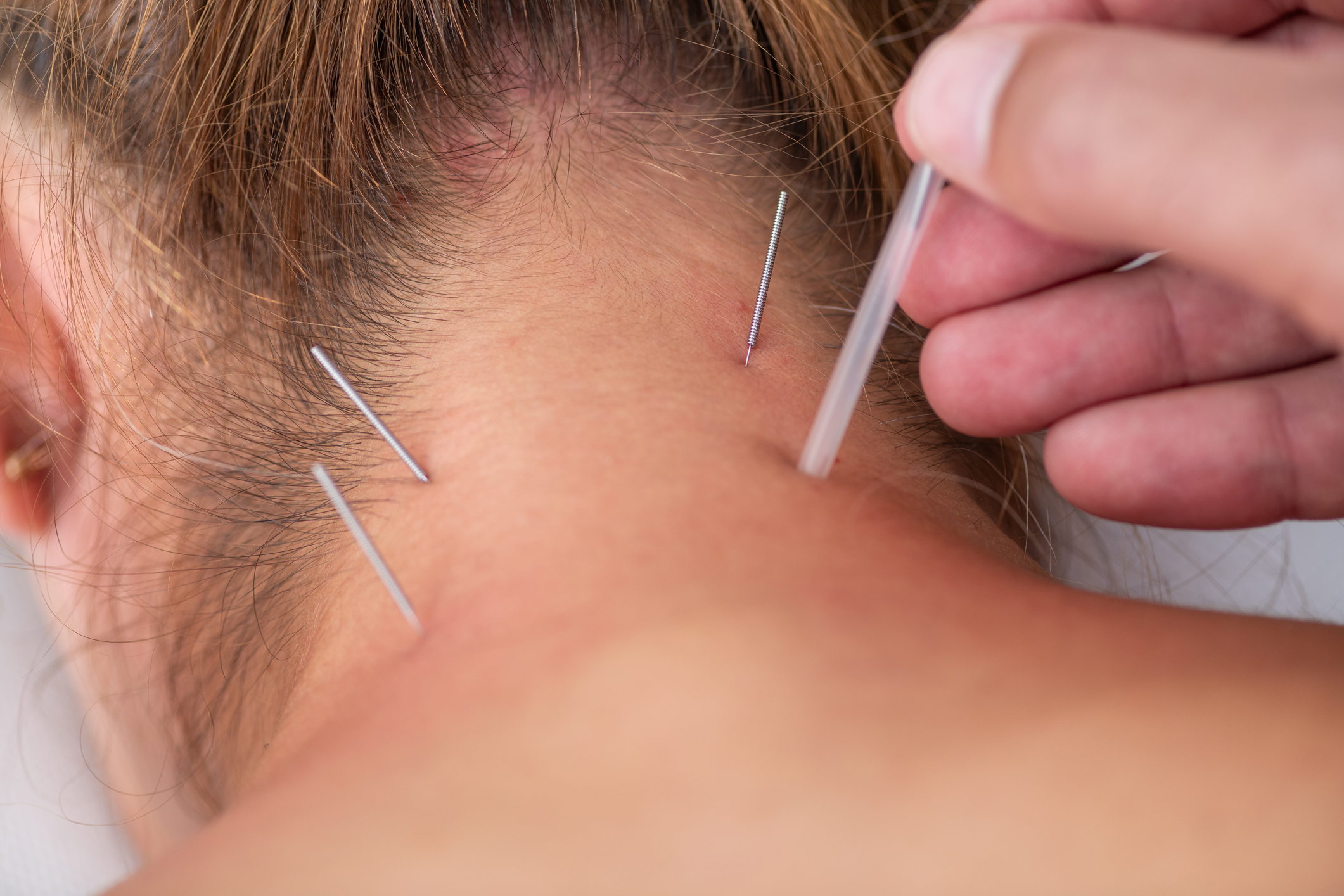
Dry needling the suboccipital region for headache is increasingly recommended — but are we doing it safely?
The rectus capitis posterior major (RCPMaj) is a clinically relevant target. It has been implicated in headache via nociceptive convergence at the trigeminal cervical nucleus